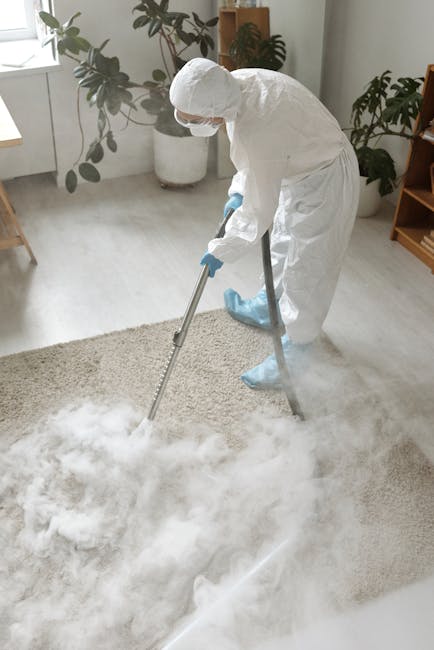
Barnes Common rug cleaning and stain removal guide
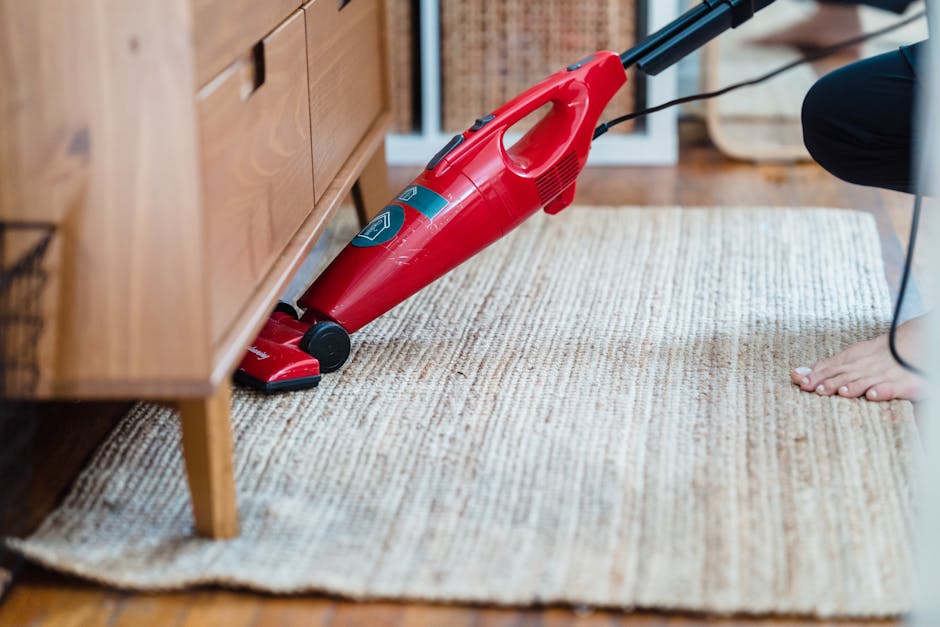
If your rug has picked up a tea spill, muddy footprints from a walk near the Common, or that mysterious mark that appeared overnight, you are not alone. Rugs live hard lives. They catch dirt, trap odours, and show stains in a way that a plain floor never would. This Barnes Common rug cleaning and stain removal guide brings together practical, careful advice so you can tackle everyday messes without making them worse. It also helps you decide when a careful DIY approach is enough and when it makes more sense to bring in a professional service such as rug cleaning or stain removal.
To be fair, most rug problems are not about the stain itself. They are about reaction time, fibre type, and using the wrong method. Get those wrong and a small spill can spread, set, or leave a faint shadow that never quite disappears. Get them right and you can save the rug, the room, and a bit of your sanity too.
Why Barnes Common rug cleaning and stain removal guide Matters
Barnes Common is a lovely place to live near, but life in a busy London neighbourhood means rugs pick up more than dust. Think of damp shoes after a sudden shower, fine grit from the street, pet accidents, coffee drops, and the occasional splash of red wine when the evening gets chatty. Rugs sit right where life happens, which is exactly why they need a smarter cleaning approach than a quick wipe.
Rugs also vary wildly. A wool rug behaves differently from synthetics, viscose, jute, cotton, or a handwoven piece with natural dye. One cleaning method can be brilliant on one rug and disastrous on another. That is why a Barnes Common rug cleaning and stain removal guide matters: it helps you avoid the classic "it looked harmless, then it turned into a ring" problem.
There is also the comfort factor. A properly cleaned rug can make a room feel fresher, brighter, and less heavy. You notice it when you walk in. The air feels cleaner, the fibres look lifted, and the whole room stops feeling slightly tired. Small thing? Maybe. But it changes the space.
How Barnes Common rug cleaning and stain removal guide Works
The basic principle is simple: remove dry soil first, treat stains carefully, and clean in a way that suits the rug's construction. The details are where people usually trip up. Most stains fall into a few broad groups, and each group needs a slightly different response.
Dry soil and grit should be removed before any liquid treatment. Why? Because rubbing liquid into dust turns the dust into a paste. That paste sinks deeper into the pile and can abrade the fibres. Not ideal. A slow vacuum with a brush setting, or careful edge-to-centre cleaning, is usually a much better start.
Then comes stain identification. Water-based marks, oily marks, protein-based stains, tannins, dyes, and pet accidents all behave differently. A tea stain is not the same as cooking oil. A pet stain is not just a stain; it can also carry odour that settles into the backing and underlay. That is where a dedicated service such as pet stain odour removal can be especially useful when home methods fall short.
Finally, there is the cleaning method. Some rugs can handle controlled moisture and extraction. Others need dry compound, low-moisture cleaning, or specialist treatment. The right answer depends on fibre, dye stability, construction, backing, and how old the mark is. Frustrating? A bit. Necessary? Absolutely.
Key Benefits and Practical Advantages
A good rug cleaning routine gives you more than a nicer-looking floor covering. It protects the investment, reduces wear, and helps your home feel more settled. Most people notice the visual benefit first, but the practical wins tend to matter more over time.
- Better appearance: Pile looks brighter, colour looks more even, and traffic lanes are less obvious.
- Longer rug life: Removing embedded grit can slow down fibre wear.
- Less odour: Especially helpful for pets, food spills, and older stains.
- Improved hygiene: Rugs can trap dust and allergens, so regular cleaning supports a fresher environment.
- Safer cleaning decisions: Understanding which stain can be treated at home and which needs professional help reduces mistakes.
- Better room presentation: Useful if you are hosting, moving, renting out, or simply trying to keep the place feeling cared for.
There is also a calmness to having a plan. When a spill happens, you are not panicking and googling at 11pm with a damp cloth in one hand and regret in the other. You know what to do first. That alone is worth a lot.
Who This Is For and When It Makes Sense
This guide is for homeowners, tenants, landlords, short-let hosts, and anyone who has a rug they would rather keep than replace. It is also useful for households with children, pets, or a fair amount of foot traffic. Basically, if your rug is used rather than merely admired, this is for you.
It makes particular sense if you are:
- dealing with frequent small spills rather than one dramatic disaster
- preparing for guests, movers, or a property inspection
- trying to revive a rug that looks flat or dull
- unsure whether a stain is safe to treat yourself
- working with a valuable, delicate, or sentimental rug
It is also sensible if you run a business and the rug is in a client-facing space. Offices, reception areas, and communal settings all create their own wear patterns. If that sounds familiar, you may also want to look at commercial cleaning or office cleaning where floor care is part of a wider maintenance routine.
Step-by-Step Guidance
Below is a practical method you can use for many common rug stains. It is not a magic formula, and yes, some messes are stubborn. But it is a sensible starting point.
- Identify the rug fibre. Check the label if there is one. Wool, silk, viscose, cotton, synthetic blends, and natural fibres all need different handling. If you cannot identify it, assume it is delicate.
- Remove loose dirt. Vacuum both sides carefully if possible. If the rug is fragile, use a low-suction setting and avoid aggressive brush rollers.
- Blot the spill immediately. Use a clean white cloth or paper towel. Press, lift, press again. Do not scrub. Scrubbing is how stains travel.
- Test in a hidden area. Apply your chosen cleaner to a small corner first. Wait and check for colour transfer, fibre distortion, or texture changes.
- Use the least invasive treatment first. For many water-based stains, cool water and blotting are enough initially. For greasy marks, a tiny amount of suitable detergent may help, but use sparingly.
- Work from the outside in. This helps prevent the mark spreading. Patience matters here.
- Rinse lightly if needed. Residue can attract dirt, so if you use a cleaning solution, remove it with a lightly damp cloth rather than leaving it behind.
- Dry the area properly. Air movement is useful. Keep the rug out of direct harsh heat. A fan can help, but do not overdo it.
- Check the result once fully dry. Some stains fade only after drying. Others reappear as a faint halo. If that happens, the treatment may need repeating or professional intervention.
For deeper fibre-safe cleaning, especially on rugs that are large, valuable, or heavily soiled, consider a specialist service like carpet cleaning or the broader deep cleaning option if the rug is part of a bigger refresh. Some households simply bundle the job with house cleaning or domestic cleaning so the whole place gets lifted at once. Makes sense, really.
Common stain response guide
| Stain type | Best first response | What to avoid |
|---|---|---|
| Tea or coffee | Blot, then use cool water and light detergent if needed | Hot water and heavy rubbing |
| Wine | Blot quickly and keep the area contained | Saturating the fibres |
| Grease or oil | Lift excess carefully and use a fibre-safe degreasing approach | Soaking and scrubbing |
| Pet accident | Blot, treat odour, and dry thoroughly | Masking the smell without cleaning the source |
| Mud | Let dry, then vacuum before spot treatment | Wiping wet mud deeper into the pile |
Expert Tips for Better Results
In our experience, the difference between a decent result and a disappointing one often comes down to small choices. Nothing dramatic. Just the tiny, practical stuff people skip when they are in a rush.
Use white cloths, not coloured ones. It sounds trivial until dye transfers from a towel onto a pale rug. Then it is not trivial at all.
Keep moisture controlled. Rugs hate being drenched. Too much water can cause bleeding, shrinkage, backing damage, or mildew if the rug does not dry properly. If you have ever caught that slightly musty smell the next morning, you will know what I mean.
Work patiently on set stains. A stain that has dried for days or weeks may need repeated gentle treatments rather than one forceful attempt. That is annoying, yes, but often more effective.
Mind the fringe. Fringe is easy to damage. Treat it separately and carefully, and never attack it with the same enthusiasm you would use on a kitchen tile.
Rotate the rug. A surprisingly simple habit. Rotation evens out wear and sunlight exposure, which helps prevent one side from looking older than the other.
Use professional help for fragile pieces. Antique rugs, viscose rugs, silk blends, or hand-knotted items can be unforgiving. If the rug matters to you, caution is not overkill.
And one more thing: if a stain seems to vanish and then comes back later, that is often residue or wick-back from the backing. Not your imagination. It happens.
Common Mistakes to Avoid
There are a few repeat offenders here. These are the mistakes that make a small job bigger than it needs to be.
- Scrubbing hard: This pushes the stain deeper and roughs up the pile.
- Using the wrong cleaner: Strong chemicals can strip colour or weaken fibres.
- Over-wetting the rug: Hidden moisture can cause long-drying times and odours.
- Skipping a patch test: A hidden corner test is boring, but so is colour loss.
- Ignoring the backing: Sometimes the visible stain is only part of the issue.
- Using heat too early: Heat can set some stains permanently. Best avoided until you know what you are dealing with.
- Waiting too long: Fresh stains are much easier than old ones. Truth be told, timing is half the battle.
There is also the "I'll just keep trying random things" trap. We have all been there in one form or another. But random is not a strategy. It just creates a slightly more expensive stain.
Tools, Resources and Recommendations
You do not need a cupboard full of special products to do basic rug care well. A small, sensible toolkit usually beats a shelf of random sprays.
- vacuum cleaner with adjustable suction
- white microfibre cloths or plain white towels
- soft brush or grooming brush for suitable fibres
- clean spray bottle for measured water application
- mild fibre-safe cleaning solution
- protective gloves for stain work
- fan or good airflow for drying
For households that want a more complete clean, pairing rug care with upholstery cleaning can make a room look much more consistent. If the room also has curtains holding onto dust and odour, curtain cleaning can be a smart next step. In homes with pets, pet stain odour removal remains one of the most practical add-ons.
If you are comparing professional services, it can help to ask whether the provider understands fibre-specific care, drying expectations, and stain treatment boundaries. Pricing matters, naturally, but it should not be the only thing on the list. A careful method is often better value than a cheap rushed one. If you want to compare options, see pricing and quotes.
Law, Compliance, Standards and Best Practice
For most homeowners, rug cleaning is not heavily regulated in a day-to-day sense. But professional cleaning providers should still work to sensible UK standards of safety, care, and customer transparency. That usually means using appropriate products, avoiding unsafe practices, and being clear about limitations before work begins.
In practical terms, best practice includes:
- checking the rug's fibre and construction before choosing a method
- using suitable personal protective equipment where needed
- managing moisture to reduce slip and mould risk
- communicating clearly about stain expectations and likely outcomes
- handling waste water and product residue responsibly
If a cleaning job involves access, electrical equipment, or work in shared spaces, basic health-and-safety awareness matters. That is one reason many customers like to review a provider's health and safety policy and insurance and safety information before booking. It is not overthinking. It is just sensible.
For commercial or tenancy-related properties, there may also be expectations around presentation and cleanliness rather than specific legal cleaning steps. If you are preparing a property handover, services such as end of tenancy cleaning, move in cleaning, or move out cleaning can help keep the whole job coordinated.
Options, Methods, or Comparison Table
Different rugs and stains call for different approaches. Here is a simple comparison that helps make the choice less fuzzy.
| Method | Best for | Pros | Watch outs |
|---|---|---|---|
| Dry vacuum and spot blotting | Fresh spills and routine upkeep | Fast, low risk, cheap | Not enough for deep-set stains |
| Gentle hand cleaning | Small surface stains on stable fibres | Controlled, flexible | Easy to over-wet if you rush |
| Low-moisture specialist cleaning | Delicate or lightly soiled rugs | Safer for many fibres | May not remove severe staining alone |
| Hot water extraction | Some synthetic rugs and heavier soil build-up | Deep cleaning power | Not suitable for every rug |
| Professional rug treatment | Expensive, fragile, or difficult rugs | Fibre-specific care and better risk control | Usually costs more than DIY |
One practical note: not every rug needs the strongest cleaning method. In fact, many do better with the gentler one. That feels counterintuitive until you have seen a delicate rug lose shape because someone got enthusiastic with water and detergent.
Case Study or Real-World Example
A fairly typical Barnes household problem goes like this: a wool-blend rug in a living room near the garden door collects muddy marks after a rainy afternoon, plus one tea spill from a visitor who sat down too quickly. Nothing dramatic. Just enough to make the room feel messy.
The first instinct is to grab a cloth and rub. That would have made the mark spread. Instead, the better response was to vacuum the dried mud first, then blot the tea stain with cool water and a tiny amount of suitable cleaner. The edges were treated gently, the rug was dried with airflow, and the fibres were left alone once the visible mark had lifted. No drama. No harsh smell. No permanent ring.
Now, if that same rug had been viscose or a hand-dyed piece, the better choice would probably have been to stop earlier and seek a specialist. That is the important part. A good outcome is not only about cleaning. It is about knowing when to stop.
We see the same pattern with pet accidents. People often clean the top surface and think the job is done. Then the smell comes back on a warm afternoon. The solution is not more perfume. It is proper stain and odour treatment, followed by thorough drying and, sometimes, a fuller room clean such as one off cleaning to reset the space.
Practical Checklist
Use this quick checklist before you start.
- Identify the rug material if possible
- Vacuum loose dirt and grit first
- Blot, do not rub
- Test any cleaner in a hidden spot
- Use the smallest amount of liquid that will do the job
- Work from the outside of the stain inward
- Rinse residue carefully if a cleaner was used
- Dry thoroughly with airflow
- Check the rug again once fully dry
- Stop if colour changes, texture damage, or spreading appears
If the rug still looks dull after a careful clean, the issue may be broader than the stain alone. Embedded soil, traffic wear, and general room dust all play a part. That is where a more complete service can make sense, especially if you are already sorting the rest of the property with regular cleaning or a broader house cleaning visit.
Conclusion
The best Barnes Common rug cleaning and stain removal guide is not about miracle products or aggressive scrubbing. It is about calm, informed action. Treat the rug like something worth preserving, because usually it is. Start gently, match the method to the fibre, and pay attention to drying. That simple approach prevents a lot of avoidable damage.
For everyday spills, DIY can work well. For fragile rugs, repeated staining, pet odours, or a piece with sentimental or financial value, professional help is often the safer route. And honestly, that is not a failure. It is just good judgement.
Get a free quote today and see how much you can save.
If you are still unsure, take a breath, look at the rug in daylight, and decide whether the job feels simple or fiddly. That small pause usually tells you the truth.
Frequently Asked Questions
How do I remove a fresh stain from a rug quickly?
Blot the spill immediately with a clean white cloth, starting from the outside and moving inward. Avoid rubbing, then use the smallest amount of suitable cleaning solution if the stain remains.
Can I use hot water on rug stains?
Sometimes, but not by default. Hot water can set certain stains and may damage delicate fibres. Cool or lukewarm water is usually the safer starting point until you know what the stain is.
What is the safest way to clean a wool rug?
Vacuum gently, test any cleaner in a hidden corner, and use minimal moisture. Wool generally responds better to careful, measured cleaning than to heavy soaking.
Why does my rug stain come back after cleaning?
That is often wick-back, where residue from the backing or underlay rises to the surface as the rug dries. It can also happen if too much cleaner was used and not fully removed.
Can baking soda remove rug odours?
It may help with light surface odours, but it is not a complete fix for pet accidents or deep-set smells. Odours often need proper stain treatment and thorough drying.
Should I clean both sides of the rug?
If the rug allows it, yes, especially for dust and grit removal. The underside can hold debris and contribute to wear over time. Handle fragile rugs carefully, though.
How often should rugs be professionally cleaned?
That depends on use, foot traffic, pets, and the fibre type. Heavily used rugs generally need more regular attention than decorative pieces in low-traffic rooms.
Is stain removal different from rug cleaning?
Yes. Stain removal focuses on a specific mark, while rug cleaning deals with overall soil, dust, and refreshment. Often the two happen together, but not always.
Can I use the same method for all rugs?
No, and that is where problems start. Wool, synthetic, viscose, silk, and natural-fibre rugs all behave differently. Always check the fibre first if you can.
What should I do if my rug has a pet stain and smell?
Act quickly, blot thoroughly, treat the source rather than masking it, and dry the rug well. For persistent odour, a specialist approach such as pet stain odour removal is often the better route.
How do I know when to stop DIY cleaning?
If the stain spreads, the colour changes, the rug feels damp for too long, or the fibre starts looking rough, stop. At that point, professional help is usually safer than trying another experiment.
What if my rug is near the end of tenancy inspection?
Focus on visible stains, odours, and overall presentation. If the rug is a key part of the room, combining it with end of tenancy cleaning can make the whole property feel more prepared and reduce last-minute stress.